

Ko Ko Mo Gili Gede island guide
Snorkelling in Gili Gede: Best Spots, Marine Life & Tips
Snorkelling in Gili Gede feels different from the busier Gili islands. It is quieter, slower, and usually built around small boat trips rather than crowded beach entries. That is the charm.
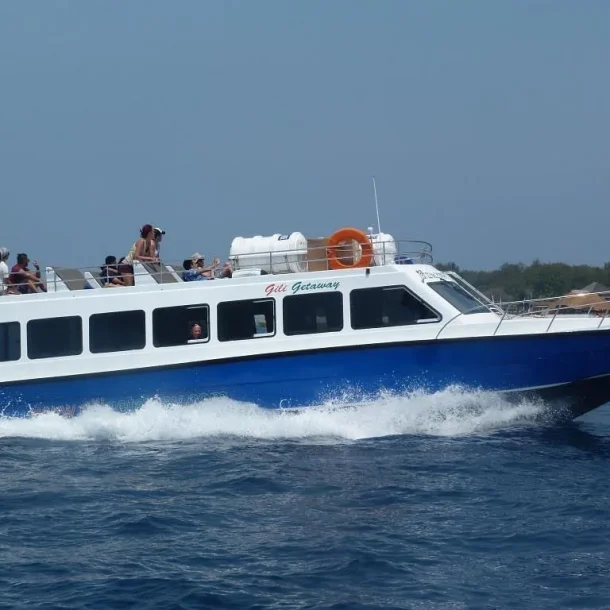
From Ko Ko Mo, a good snorkelling day is simple: leave when the water is calm, let the boat team choose the best spots for the conditions, swim slowly, then come back for lunch, a rest, or sunset by the water.
Quick answer
Gili Gede is good for snorkelling if you want calm, uncrowded water and a more private boat-based experience. The best spots change with tide, wind, and visibility, so it is better to plan with a local boat team than chase one fixed location. Expect reef fish, coral patches, clear-water moments, and easy island-hopping combinations.
What snorkelling in Gili Gede feels like
This is not the kind of snorkelling where a line of boats crowd the same reef and everyone jumps in at once. Around Gili Gede, the pace is gentler. You take a small boat, move between nearby islands or reef edges, and let the day follow the sea.
Some stops are shallow and easy, good for floating and getting comfortable. Others sit closer to reef edges where the water feels deeper and the fish life can be more active. On the best days, the water clears, the boat engine goes quiet, and you get that simple holiday feeling: mask on, face down, nothing to do except drift and look.
It is a good fit for couples, families, and travellers who prefer a calmer island experience. If you want party boats, loud music, and a packed snorkel route, this is probably not your island. If you want space, warm water, and a slower morning at sea, Gili Gede makes sense.
The best snorkelling spots are chosen by the day
The honest answer is that the best snorkelling spot around Gili Gede depends on the conditions. Tide, wind, current, and visibility can change the plan. A place that is beautiful one morning may be average the next afternoon.
That is why a local boat team matters. Instead of asking for one famous spot, ask for the best water that day. The answer might be a calm bay near a smaller island, a reef edge with more fish movement, or a sheltered stop where the water is easier for beginners.
If you are staying at Ko Ko Mo, start with the resort’s activities or ask about boat trips that combine snorkelling with island hopping, beach time, fishing, or a relaxed picnic-style day.
Three types of snorkelling stops to expect
Calm bays for easy floating
Calm bays are best for beginners, children, and anyone who wants a gentle start. The water is usually easier to read, entry feels less intimidating, and you can spend more time getting used to the mask and fins.
Reef edges for more fish life
Reef edges can feel more exciting because there is often more movement underwater. You may see small reef fish, shifting schools, coral structure, and the occasional surprise passing through. These spots are better if you are comfortable in deeper water and can stay relaxed while floating.
Island-hopping stops for the full day out
Some of the nicest snorkelling days are not only about snorkelling. You swim, move to another island, sit on a quiet beach, have a drink, then get back in the water when the light changes. This suits Gili Gede well because the surrounding small islands are part of the experience.
Best time to snorkel
- Morning: often the easiest choice for calmer water and better comfort.
- Mid-tide: can work well in some shallow areas, depending on the spot.
- Bright sun: helps underwater visibility, but avoid burning your back and shoulders.
- Windy afternoons: can make the surface choppy, so stay flexible.
- Best rule: ask the boat team what looks good that day rather than forcing a fixed schedule.
Marine life: what you might see
No one should promise exact sightings in the ocean. That is part of the fun. Around Gili Gede, snorkelling is usually about reef fish, coral patches, clear-water views, and small details that appear when you slow down.
Look for colourful reef fish moving in and out of coral, small schools passing over sandy patches, and the way the reef changes from shallow light to deeper blue. Some days feel busy underwater. Some days are quieter. Both can be beautiful if you are not treating the sea like a checklist.
The most important rule is simple: look, do not touch. Coral is fragile, and standing on it can damage the reef and cut your feet. Float, kick gently, keep a little distance, and let the water do the work.
What to bring
Good gear can change the whole day. A leaking mask is annoying. Bad fins make you tired. Too much sun turns a perfect morning into a painful evening.
- A mask that seals properly
- Snorkel and fins
- Rash guard or swim shirt
- Reef-safe sunscreen, applied before the trip
- Dry bag for phone, towel, and small items
- Water and a small snack
- Anti-fog drops if your mask usually fogs up
If you are not a confident swimmer, ask for a float aid. There is no reason to struggle. The more relaxed you feel, the more you will enjoy the water.
Safety tips that actually matter
Snorkelling looks easy from the boat, but small things matter once you are in the water. Stay close enough to your group. Keep an eye on the boat. Do not swim against a current until you are tired. If the water starts pulling sideways, signal and get out.
The buddy system is not only for beginners. Even strong swimmers should avoid drifting alone around reef edges. If you are travelling with children, choose easier stops first and keep the session short enough that they finish happy, not exhausted.
And if the sea does not look right, do something else. Gili Gede has enough slow pleasures for a windy day: lunch by the water, a massage, a quiet walk, or time at the pool. Snorkelling is better when the conditions are kind.
A simple half-day snorkelling plan
Leave after breakfast while the water is calm. Start with an easy sheltered stop, then move to a reef edge if the conditions are good. Take a short break on the boat, swim again if everyone still has energy, then return to Ko Ko Mo for lunch and a lazy afternoon.
Where to stay for easy snorkelling
The easiest snorkelling days happen when you do not have to organise everything from scratch. Staying at Ko Ko Mo gives you a calm base on Gili Gede, with help arranging boat timing, activities, and the rest of the day around the water.
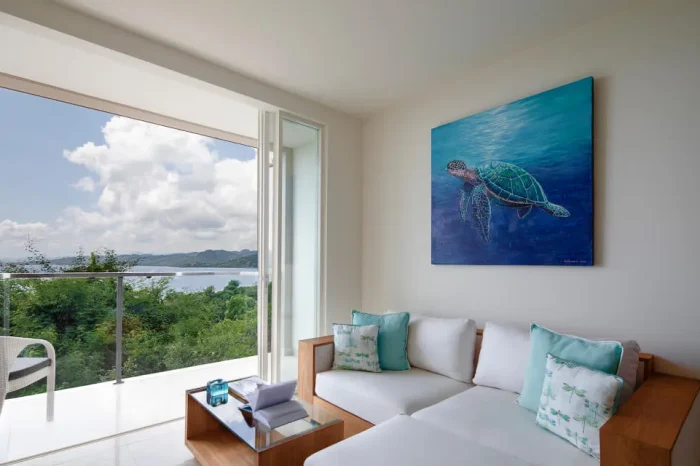
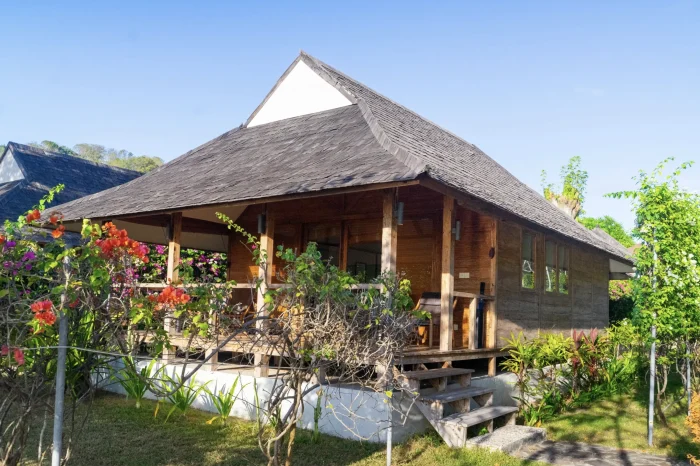
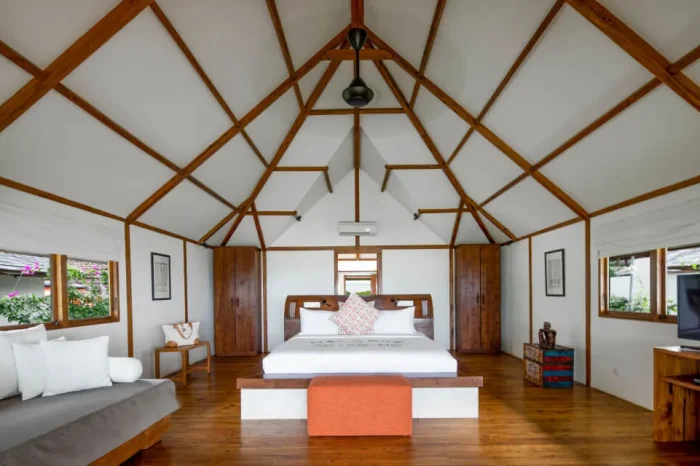
If you want direct resort comfort, compare Ko Ko Mo’s accommodation. If you want extra privacy after a morning at sea, look at the private pool villa guide or the Hilltop Pool Suite guide.
If you are still building the trip, the guide on how to get to Gili Gede from Lombok or Bali will help you plan the transfer before you think about the boat day.
Pair snorkelling with a slower island stay
Snorkelling is usually better when it is not squeezed between transfers. Give yourself at least two or three nights if you can. That way, if the first morning is windy, you still have another chance. You also get time to enjoy the resort instead of treating Gili Gede like a quick stop.
A good rhythm might be arrival and sunset on day one, snorkelling or island hopping on day two, then a slow morning before departure. Add dinner at the Ko Ko Mo restaurant, or check the latest packages if you want to keep transfers and experiences simple.
FAQ
Is Gili Gede good for beginner snorkellers?
Yes, if you choose calm stops and go with a boat team that can adjust to the conditions. Beginners should start in sheltered water and use a float aid if needed.
Can you snorkel from the beach in Gili Gede?
Some shoreline areas may be suitable depending on conditions, but the better experience usually comes from a short boat trip to nearby snorkelling spots.
What marine life can you see?
Expect reef fish, coral patches, small schools, and clear-water reef scenes. Exact sightings change by season, tide, visibility, and location.
When is the best time of day to snorkel?
Morning is often the safest bet for calmer water and comfortable conditions. The best timing still depends on tide, wind, and visibility on the day.